




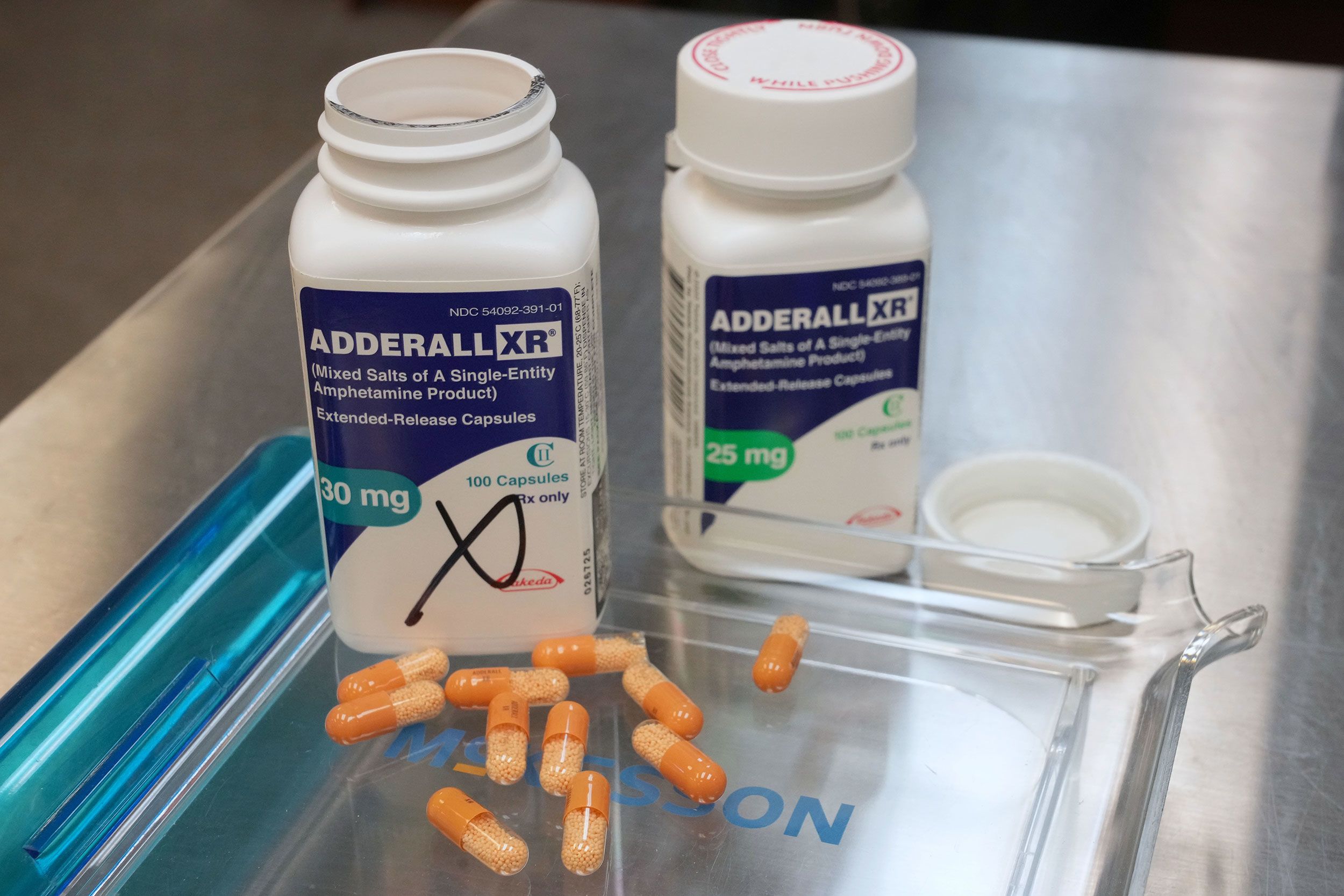
Adderall Death, Adderall, a prescription stimulant commonly used to treat Attention Deficit Hyperactivity Disorder (ADHD) and narcolepsy, has been both praised for its effectiveness and scrutinized for its potential dangers. While many people take Adderall safely under medical supervision, the term “Adderall death” has increasingly surfaced in media reports and public discussions, raising concerns about misuse, abuse, and overdose.
What Is Adderall?
Adderall is a combination of two stimulant drugs: amphetamine and dextroamphetamine. It works by increasing levels of dopamine and norepinephrine in the brain, which helps improve focus, attention, and impulse control. While effective for individuals with ADHD, it also has a high potential for abuse, especially among students and professionals seeking enhanced cognitive performance.
Understanding the Term “Adderall Death”
The phrase “Adderall death” typically refers to fatalities caused by an overdose of the drug or complications from long-term misuse. Deaths associated with Adderall can result from:
- Cardiovascular failure: High doses can increase heart rate and blood pressure, potentially leading to heart attacks or strokes.
- Heatstroke: Stimulants can raise body temperature, especially dangerous during intense physical activity.
- Seizures: Overuse can cause neurological problems, including seizures.
- Psychosis and risky behavior: In rare cases, Adderall-induced psychosis or aggression has led to dangerous actions, accidents, or suicide.
Who Is at Risk?
- Non-prescribed users: The most serious risks are often seen in individuals taking Adderall without a prescription or in doses higher than recommended.
- Teenagers and college students: Adderall is often misused as a “study drug,” with users unaware of its potent effects.
- Individuals with heart conditions: People with pre-existing cardiovascular issues are at much higher risk of complications, including sudden death.
The Role of Mixing Substances
Combining Adderall with alcohol, opioids, or other stimulants significantly increases the risk of fatal outcomes. This is especially common at parties or during “all-nighters,” where users may not realize the danger of mixed drug interactions.
Preventing Tragedy
To reduce the risk of an Adderall-related death, it’s crucial to:
- Use the medication only as prescribed.
- Avoid sharing or selling prescription drugs.
- Educate teens and young adults on the risks of stimulant misuse.
- Monitor for signs of dependency or mental health issues.
- Seek immediate help in case of symptoms like chest pain, rapid heartbeat, hallucinations, or seizures.
Final Thoughts
While Adderall can be a life-changing treatment for those with ADHD, it is not without risks. The growing concern over Adderall deaths highlights the importance of responsible use, better education, and stronger efforts to combat misuse. If you or someone you know is struggling with Adderall abuse, seek help from a healthcare professional—because no boost in focus is worth a life lost.