



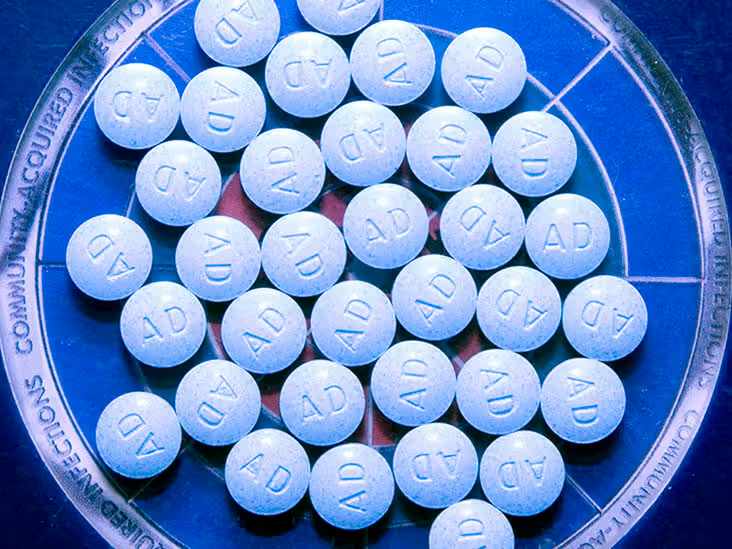
Adderall Dry Mouth, Adderall, a commonly prescribed medication for Attention Deficit Hyperactivity Disorder (ADHD) and narcolepsy, is known for its effectiveness in enhancing focus and reducing impulsivity. However, like many medications, Adderall comes with potential side effects. One of the most frequently reported is dry mouth, medically known as xerostomia. In this article, we explore the causes of Adderall dry mouth, its impact on oral health, and practical ways to manage it.
What Causes Adderall Dry Mouth?
Adderall is a stimulant composed of amphetamine salts, which affect the central nervous system. One of its side effects is the reduction of saliva production. Saliva is essential for keeping the mouth moist, neutralizing acids, and helping digest food. When Adderall suppresses the salivary glands, it can lead to a persistent feeling of dryness in the mouth.
The main mechanism behind this side effect is Adderall’s stimulation of the sympathetic nervous system, which can inhibit salivary flow. This is part of the “fight or flight” response, where non-essential functions like digestion and saliva production are downregulated.
Symptoms of Adderall-Induced Dry Mouth
People experiencing Adderall dry mouth may notice symptoms such as:
- A sticky, dry feeling in the mouth and throat
- Frequent thirst
- Difficulty speaking, chewing, or swallowing
- Bad breath
- Cracked lips or a dry, rough tongue
- Increased risk of tooth decay and gum disease due to lack of saliva
Why Is Dry Mouth a Concern?
While dry mouth may seem like a minor inconvenience, it can lead to significant oral health issues if left untreated. Saliva plays a crucial role in maintaining oral hygiene by washing away food particles and neutralizing harmful bacteria. Without adequate saliva, individuals are more susceptible to:
- Cavities and plaque buildup
- Gum disease
- Oral infections like thrush
- Mouth sores
How to Manage Adderall Dry Mouth
Fortunately, there are several ways to alleviate the symptoms of Adderall dry mouth:
- Stay Hydrated
Drink plenty of water throughout the day. Carry a water bottle and take small sips frequently. - Chew Sugar-Free Gum or Suck on Sugar-Free Lozenges
These can stimulate saliva production and help keep your mouth moist. - Avoid Caffeine and Alcohol
These substances can further dehydrate the body and exacerbate dry mouth symptoms. - Use a Humidifier
Keeping the air moist, especially while sleeping, can reduce nighttime dry mouth. - Maintain Good Oral Hygiene
Brush and floss regularly, and use an alcohol-free mouthwash designed for dry mouth. - Talk to Your Doctor
If dry mouth persists or becomes severe, consult your healthcare provider. They may adjust your dosage or recommend saliva substitutes or medications that stimulate salivary glands.
Final Thoughts
Adderall dry mouth is a common but manageable side effect. With the right care and attention, individuals taking Adderall can reduce discomfort and protect their oral health. If you’re experiencing persistent symptoms, don’t hesitate to speak with a healthcare professional. Early intervention can prevent more serious dental issues and help you continue your treatment with greater comfort and confidence.
Would you like this article optimized for SEO or formatted for a blog post?